Posts

Showing posts with the label personal growth

The Cost of Hiding Feelings

Image
  Hiding feelings looks harmless on the surface. It keeps conversations smooth. It avoids conflict. It protects dignity. But beneath that calm exterior, there’s a quiet toll being collected. The Emotional Tax Every unspoken truth becomes a weight the body must carry. Each suppressed emotion demands energy to keep it contained. Over time, that energy drains—leaving fatigue, irritability, or numbness in its place. The cost isn’t just emotional; it’s physical. Muscles tighten. Sleep becomes shallow. The nervous system stays on alert, guarding against the possibility of exposure. The Social Cost When feelings are hidden long enough, relationships flatten. People stop seeing the real person behind the performance. Connection becomes polite but hollow—safe, yet unsatisfying. Authenticity is the currency of intimacy. Without it, even love can start to feel like distance. The Psychological Cost Hiding feelings teaches the mind to distrust itself. It blurs the line between what’s felt and w...

Trauma Responses: Numbing, Avoidance, and Survival Mode

Image
  Trauma teaches the body to shut down emotions as a survival mechanism. Numbing isn’t a choice—it’s a reflex. When someone has lived through loss, violence, instability, or chronic fear, their nervous system learns that feeling deeply can be dangerous. Connection once meant exposure. Vulnerability once meant risk. So the body adapts. Numbing: The Body’s Emergency Brake Emotional numbing is the body’s way of saying, “This is too much.” It’s not indifference—it’s protection. In survival mode, the brain dampens emotional intensity to prevent overwhelm. It’s the same instinct that slows bleeding after injury or dulls pain during crisis. The body prioritizes endurance over expression. People who seem detached or “fine” after trauma often aren’t fine at all. They’re suspended in a state of physiological defense—alive, functioning, but disconnected from the full range of feeling that makes life vivid. Avoidance: The Mind’s Way of Staying Safe Avoidance is another form of protection. I...

Protecting a Story They Want to Believe

Image
  People don’t always hide feelings because they’re secretive or dramatic or unwilling to “open up.” More often, they’re protecting a story they desperately want to believe about themselves. A story that feels safer than the truth. A story that keeps life orderly. A story that maintains the illusion of control. These stories sound like: “I’m strong.” “I’m over it.” “I don’t care anymore.” “I’m happy.” On the surface, these statements look like confidence or resilience. But underneath, they can be armor—thin, brittle, and exhausting to hold in place. The Narrative Problem Every person carries a private narrative about who they are and how they’re supposed to move through the world. When a feeling contradicts that narrative, it creates friction. If someone’s story is “I’m strong,” then admitting fear or grief feels like betrayal. If their story is “I’m over it,” then acknowledging lingering hurt feels like regression. If their story is “I don’t care anymore,” then confessing attac...

Why People Ignore or Hide Their Feelings

Image
  Avoiding Conflict or Rejection Emotions—especially uncomfortable ones—can disrupt harmony. People who value peace or fear aban donment often hide their feelings to avoid: arguments disapproval disappointing someone being misunderstood Silence becomes a shield. But shields are heavy, and carrying them long-term takes a toll. When we suppress emotion, we trade short-term calm for long-term strain. The body still feels what the voice refuses to say. Tension builds, relationships flatten, and authenticity erodes. What was meant to preserve peace ends up creating distance. Hidden feelings don’t disappear; they wait. They surface later as fatigue, resentment, or withdrawal. The very harmony we tried to protect begins to fracture under the weight of what’s unsaid. True peace doesn’t come from silence—it comes from safe honesty . When we express feelings respectfully, we invite understanding instead of conflict. When we trust others with our truth, we give them the chance to meet us with...

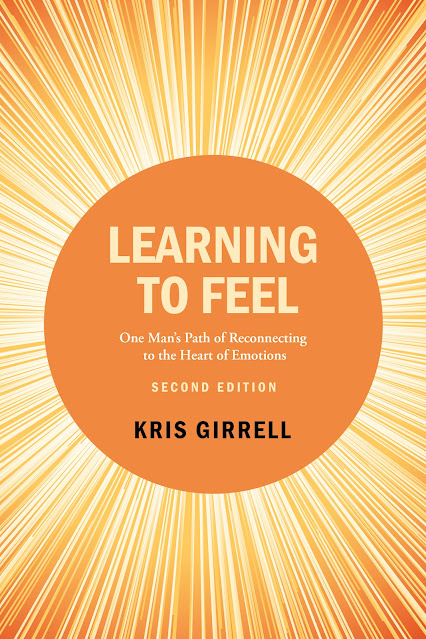
Publisher's pride: Books on bestseller lists - Learning to Feel (Girrell)

Image
  Recently, Learning to Feel (Girrell), reached #196 on the Amazon bestseller list of psychologist biographies. Book Description:  Learning to Feel, Second Edition, teaches readers how to gain choice and authority over their emotional states. Feelings and emotions are reactions to the deeply held beliefs and experiences of our lives. In order to become fully emotionally intelligent - that is, to be able to know what is yours, what comes from the others, and how best to respond to those others - we must connect first to those core experiences and often re-interpret the meaning they have held for us. Learning to Feel is such a journey, intended to be a set of trail blazes for anyone who wishes to up their game in the realm of emotional intelligence. (Edition 1 was selected for the Independent Press Distinguished Favorite Award and a Literary Titan gold award.) First Edition Book Awards Literary Titan Gold Award Independent Press Award Distinguished Favorite/Psychology For more ...