Posts

Showing posts matching the search for depression anonymous

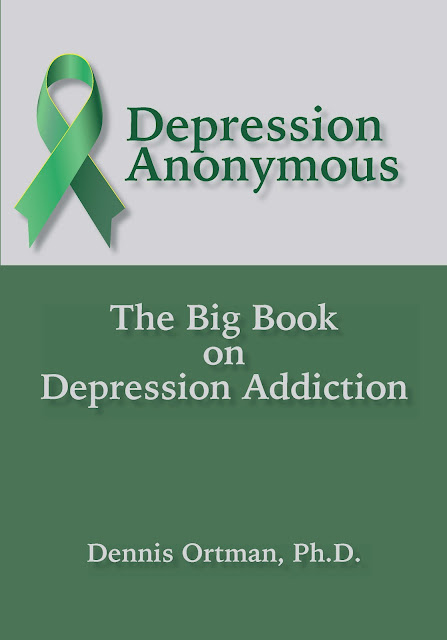
Daily Excerpt: Depression Anonymous (Ortman): Depression as a Drug
Image
  Excerpt from Depression Anonymous DEPRESSION AS A DRUG  All of us feel blue from time to time. After all, sadness, sorrow, and grief are natural reactions to the loss of persons and things that are important to us. Feeling sad, we withdraw into a cocoon to soothe ourselves and adjust to the change in our life. We withdraw to nurse the wound of the loss. Feeling the pain, we inwardly search for its meaning, looking for a way of making sense of it. In this grieving process, we slowly let go of all the energy we used to put into what was lost and come to accept the void in our lives. If we do not succumb to the temptation of bitterness, the accepted pain of sorrow opens our hearts to new life and to empathy for others.  But sometimes the loss can seem unbearable and the sorrow overwhelming. The sadness reaches to the core of our being and a black cloud envelops us. We cannot escape the darkness. Our bodies, minds, and spirits become possessed. We cannot sleep or e...

The Tangle Between Drug Use, Withdrawal, and Depression

Image
Drug use doesn’t happen in a vacuum. It weaves itself into a person’s neurochemistry, their coping strategies, their relationships, and their sense of self. When people talk about addiction, they often focus on the visible behaviors — the using, the stopping, the relapse. But beneath those surface events lies a quieter, more complicated story: the relationship between drug use, drug withdrawal, and depression. These three forces don’t just coexist. They reinforce one another, blur into one another, and sometimes masquerade as one another. Understanding their interplay is essential for anyone trying to make sense of their own experience or support someone they love. Drug Use: The Short-Term Lift with Long-Term Costs Most substances — whether alcohol, opioids, stimulants, or sedatives — alter the brain’s reward circuitry. They amplify dopamine, blunt emotional pain, or create a temporary sense of confidence, calm, or euphoria. For someone already wrestling with sadness, anxiety, or traum...

Can 12 Steps Help with Depression?

Image
  When people think of 12-step programs, they often picture addiction recovery — AA meetings, coffee in styrofoam cups, and the language of sobriety. But the 12-step model has quietly expanded into other emotional terrains, including depression. And while it’s not a substitute for therapy or medication, it can offer something many people with depression crave: structure, connection, and a sense of meaning. What 12-Step Programs Offer Structure : Depression often makes life feel chaotic or meaningless. The steps offer a clear, repeatable path — something to hold onto when everything else feels slippery. Community : Meetings provide a space where people speak honestly about emotional pain. That shared experience can reduce isolation, which is one of depression’s sharpest edges. Anonymity : You don’t have to explain your whole life. You can show up as you are, without pressure to perform or disclose more than you’re ready to. Spiritual Framework : The idea of a “higher power” ca...

The Story behind the "Anonymous" Books (Dr. Dennis Ortman) - Depression Anonymous, Anger Anonymous, Anxiety Anonymous,

Image
  Dr. Ortman writes -  I wrote three “Anonymous” books for recovery from anxiety, depression, and anger. I view these mood states as similar to drug addictions that can be relieved by working the Twelve Steps of Alcoholics Anonymous. The seeds for these books were planted in my childhood. I was raised in an alcoholic family where I learned about the tragedy and power of addiction. As an adult, I sought healing and growth through therapy and participation in Adult Children of Alcoholics and Al-Anon groups. In graduate school, I wrote my dissertation on treating those with a dual diagnosis, that is, with both a substance use and mental health problem. Working with my patients in private practice for the past thirty years, I observed that many suffered from chemical dependencies and process addictions, such as gambling, shopping, and sexual acting out. I further noticed that many of my patients who suffered from anxiety, depression, and anger felt possessed by their moods and...

Depression, Suicide, and Suicide Prevention

Image
  Tere is a strong and well-documented relationship between depression and suicide — but it’s not a simple cause-and-effect. Depression increases the risk of suicide, especially when it’s moderate to severe, but not everyone with depression becomes suicidal. 🧠 How Depression and Suicide Are Connected Depression distorts thinking : It can make people feel hopeless, helpless, and worthless — as if their pain will never end. Suicide may seem like a solution : In deep depression, people may believe that ending their life is the only way to escape emotional suffering. Isolation intensifies risk : Depression often leads to withdrawal from others, which removes protective factors like social support. Co-occurring issues matter : Substance abuse, trauma, and chronic illness can compound depression and increase suicide risk. About 60% of people who die by suicide have a mood disorder like depression or bipolar disorder. 🚨 Warning Signs to Watch For Talking about wanting to die or...