🎓 Beyond the Diploma: How University Life Shapes Interracial and Intercultural Marriages

When we think about what college gives us, we usually picture diplomas, careers, and maybe a few lifelong friends. But higher education does something subtler too — it reshapes how we connect across cultural lines. Sociologists have long noticed that university attendance doesn’t just expand minds; it expands hearts. It increases the likelihood of interracial and intercultural marriages, and the reasons are as fascinating as they are human.
🌍 The Campus as a Social Crossroads
Universities are microcosms of diversity. Students arrive from different states, countries, and backgrounds, often for the first time living among people whose experiences differ radically from their own. In that environment, friendships and romantic relationships naturally cross boundaries that might have felt impermeable back home.
Exposure matters. When you share dorms, study groups, and late-night debates with people from other cultures, you begin to see commonalities that outweigh difference. The university becomes a social laboratory for empathy — and that empathy often translates into love.
💡 Shared Values, Shared Futures
Education tends to foster cosmopolitan values: openness, curiosity, and tolerance. College graduates are statistically more likely to value diversity and global citizenship. Those attitudes make cross-cultural relationships not only possible but desirable.
And there’s a practical side: people with similar educational levels often share comparable life goals and socioeconomic status. That common ground smooths over cultural divides that might otherwise complicate relationships.
🚀 Mobility and Freedom
Leaving home for college also means leaving behind local norms. Students who study in diverse cities or abroad encounter fewer social constraints about whom they “should” date or marry. Geographic mobility broadens the dating pool and weakens traditional expectations — a quiet revolution in personal choice.
⚖️ The Caveats
Of course, not all universities are equally diverse. A homogeneous campus won’t produce the same intercultural mixing as one with a global student body. Regional culture matters too: in areas where racial segregation or conservative norms remain strong, education alone may not overcome social pressure.
Even so, the trend holds. Across the U.S. and Europe, college graduates are significantly more likely to marry outside their racial or ethnic group. The effect is especially pronounced among women and among students who study abroad.
❤️ The Broader Meaning
University life doesn’t just prepare people for careers — it prepares them for a world that’s increasingly interconnected. When education brings people together across cultural lines, it quietly rewrites the social map. Every intercultural marriage born from that environment is a testament to what happens when learning and living intertwine.
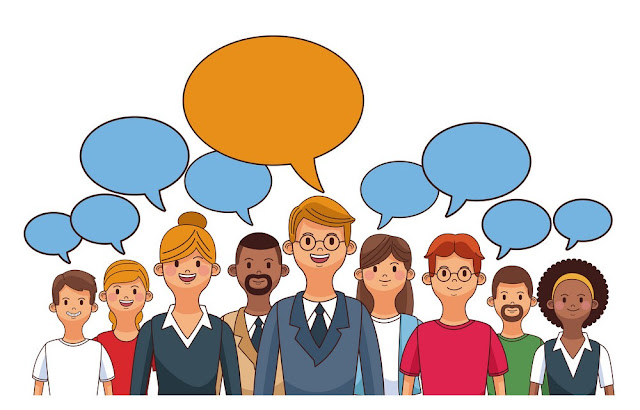
image and research from AI
This post was inspired by the book, Road to Damascus, by Elaine Imady.
Book Description:
Recommended by US Review of Books and First Runner-Up in the Eric Hoffer Awards legacy competition, Road to Damascus describes the Middle Eastern journey of an American who meets and falls in love with a Syrian when they are both attending school in New York. Giving up her country and her religion to follow her husband back to Syria, Elaine Imady has made a life that has successfully bridged two cultures and two continents. Raising three bi-cultural, bilingual children, Elaine has important insights to offer to readers from either the West or the Middle East about how we can all not only get along with each other but learn to love each other. Her life is symbolic of the best of what can be when two cultures come together.
Book Award
First Runner-up, Eric Hoffer Award

For more posts about Elaine and her book, click HERE.

Check out recent issues.
 |
Follow MSI Press on Twitter, Face Book, Pinterest, Bluesky, and Instagram.
Interested in publishing with MSI Press LLC?
Check out information on how to submit a proposal.


Planning on self-publishing and don't know where to start? Our author au pair services will mentor you through the process.


Julia Aziz, signing her book, Lessons of Labor, at an event at Book People in Austin, Texas.


Check out our rankings -- and more -- HERE.


Comments
Post a Comment